
What's The Job Market For Shipping Container Transport Professionals L…
페이지 정보

본문
Shipping Container Transport: An In-Depth Look at the Backbone of Global Trade
Shipping container transport is an important element of international logistics, allowing the effective movement of items across continents and oceans. With international trade constantly broadening, comprehending the subtleties of shipping container transport becomes important for organizations, consumers, and logistics professionals alike. This article checks out different aspects of shipping container transport, including its meaning, types, procedures included, and future trends.
Table of Contents
- What is Shipping Container Transport?
- Types of Shipping Containers
- Standard Containers
- Specialized Containers
- The Shipping Process
- Preparation for Shipping
- Packing
- Transportation
- Delivery
- Advantages of Shipping Container Transport
- Challenges in Container Transport
- Future Trends in Shipping Container Transport
- Frequently Asked Questions (FAQ)
1. What is Shipping Container Transport?
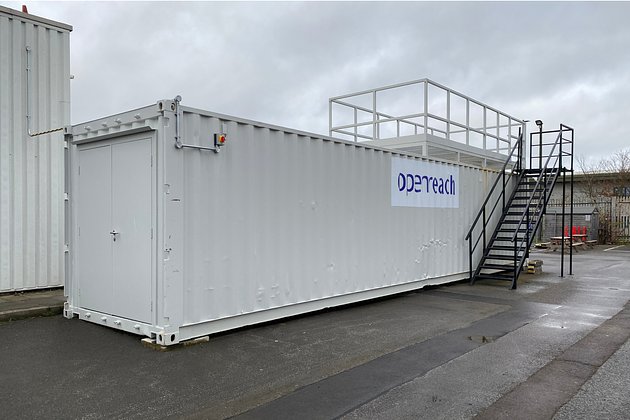
40ft Shipping Container container transport describes the process of moving items in standardized containers through ships, trucks, and trains. Using containers has changed the logistics industry, making it simpler and more efficient to transport large volumes of items worldwide. Containers are designed to safely hold cargo, offering protection from environmental elements and reducing the danger of damage during transit.
2. Types of Shipping Containers
Shipping containers come in a variety of sizes and shapes customized to satisfy different cargo requirements. Here are the most common types:
| Type of Container | Description | Typical Uses |
|---|---|---|
| Requirement Container | Generally 20 or 40 feet long, used for basic cargo. | Boxes, textiles, machinery. |
| Reefer Container | Geared up with refrigeration for temperature-sensitive items. | Food, pharmaceuticals. |
| Open Top Container | Has a detachable tarpaulin roof for large cargo. | Machinery, construction materials. |
| Flat Rack Container | No sides or roof, used for heavy and large products. | Vehicles, big devices. |
| Tank Container | Designed to transport liquids, gases, and chemicals. | Industrial chemicals, food products. |
3. The Shipping Process
Understanding the shipping procedure is important for anyone associated with logistics. Here's a breakdown of the various stages:
Preparation for Shipping
Before shipping can begin, items must be packed into containers. This involves:
- Selecting the Right Container: Choosing the appropriate type of container based on the nature of the items.
- Packaging: Ensuring that items are firmly loaded to avoid damage throughout transit.
- Documentation: Preparing essential shipping files, including expenses of lading, business billings, and customizeds declarations.
Filling
Once the items are ready, the filling procedure starts:
- Container Loading: Goods are carefully packed into the container, guaranteeing weight distribution and security.
- Seal and Label: Containers are sealed to prevent tampering, and labels are attached for identification.
Transport
Transport can be divided into 2 primary sections:
- Land Transportation: Containers are carried by trucks or trains to the closest port for shipping.
- Maritime Transportation: Containers are crammed onto large cargo ships, which then transport them across oceans.
Delivery
Once the ship reaches the destination port, the following takes place:
- Unloading: Containers are unloaded from the ship and transferred to customizeds.
- Customs Clearance: Necessary inspections and custom-mades tasks are handled.
- Last Delivery: Containers are transferred to the final destination using trucks or trains.
4. Advantages of Shipping Container Transport
Shipping container transport provides several benefits:
- Efficiency: Containers can be quickly packed and unloaded using cranes, reducing dealing with time.
- Security: Goods are safeguarded versus theft and damage.
- Standardization: The use of standardized containers simplifies the logistics procedure worldwide.
- Sustainability: Shipping by container is frequently more ecologically friendly compared to other transport approaches.
5. Obstacles in Container Transport
Despite its benefits, shipping container transport faces a number of challenges:
- Port Congestion: Many significant ports experience congestion, causing delays.
- Customs Regulations: Navigating complicated custom-mades guidelines can make complex shipping.
- Environmental Factors: Weather conditions and natural disasters can affect shipping paths.
- Rising Costs: Fluctuations in fuel prices and functional expenses can affect shipping costs.
6. Future Trends in Shipping Container Transport
As the market evolves, a number of trends are emerging:
- Digitalization: Technologies like blockchain and IoT are being incorporated for much better tracking and openness.
- Sustainability: There is a growing focus on green shipping practices, consisting of using alternative fuels.
- Automation: The use of automated systems in ports and warehouses is increasing performance.
- Durability Planning: Companies are developing contingency strategies to handle disturbance from events like pandemics or trade wars.
7. Regularly Asked Questions (FAQ)
Q: How long does it take to ship a container globally?A: Shipping
times vary based upon range and logistics. Typically, it can take anywhere from a few days to a number of weeks.
Q: What is the cost of Shipping Container Leasing a container?A: Costs differ
based upon container size, range, shipping path, and present market conditions. It's best to request quotes from shipping companies.
Q: Can I track my shipping container?A: Yes, a lot of shipping business provide tracking services that permit you to monitor your container's location and status. Q: What are the weight limitations for a shipping container?A: A
standard 20-foot container can bring approximately approximately 22,000 lbs(10,000 kg), while a 40-foot container can bring approximately 44,000 pounds (20,000 kg), depending upon particular regulations and container type. Q: What must I know when Shipping Container Modifications a container internationally?A: Be mindful of
customizeds guidelines, import/export tasks, and any particular requirements for
the products you are shipping, as these can differ by nation. In conclusion, shipping container transport plays an essential role in the global supply chain, offering
effectiveness, security, and a standardized method to logistics. Understanding the processes and difficulties included, together with emerging patterns, can assist services better navigate the complexities of international Shipping Container Modifications. Whether you are a logistics professional or a curious customer, the world of shipping container transport is an interesting and necessary aspect of modern-day commerce.
- 이전글비아그라 처방 받는 법 26.05.23
- 다음글Buying Tips In Obtaining The Ideal Photograph Id System 26.05.23
댓글목록
등록된 댓글이 없습니다.