
Guide To Lock Troubleshooting: The Intermediate Guide For Lock Trouble…
페이지 정보

본문
Lock Troubleshooting: A Comprehensive Guide
Locks are necessary systems in securing our homes, services, and possessions. Nevertheless, like any mechanical system, they can experience issues from time to time. Whether it's a persistent deadbolt, a jammed padlock, or a malfunctioning electronic window lock specialists, fixing these issues can frequently save both money and time. This post intends to supply a comprehensive guide to lock troubleshooting (on the main page), providing insights into typical concerns, options, and preventative measures.
Comprehending Common Lock Issues
Before diving into repairing strategies, it's vital to know the kinds of locks and the common concerns related to them. Here's a breakdown:
| Lock Type | Typical Issues |
|---|---|
| Deadbolt | Jamming, key not turning, misalignment |
| Padlock | Stuck shackle, frozen lock repair service, key not fitting |
| Electronic Lock | Battery failure, keypad malfunction, locking mechanism not engaging |
| Knob Lock | Key not turning, latch stuck, rust or particles buildup |
Common Problems and Solutions
Deadbolt Problems
- Jamming: Sometimes, deadbolts can jam due to dirt or particles inside the locking system. To resolve this, try the following:
- Remove the deadbolt and clean it with a soft fabric.
- Usage graphite powder to oil the mechanism.
- Key Not Turning: If the key does not kip down the lock, it might be due to misalignment or a damaged secret.
- Check for misalignment: Tighten screws that hold the lock in place.
- If the secret is broken, think about getting a duplicate.
- Jamming: Sometimes, deadbolts can jam due to dirt or particles inside the locking system. To resolve this, try the following:
Padlock Problems
- Stuck Shackle: A padlock's shackle might become stuck due to rust or dirt.
- Apply a penetrating lube and gently move the shackle back and forth.
- For serious rust, consider soaking the lock in oil over night.
- Frozen Lock: In winter, locks can freeze.
- Use a hairdryer on a low setting or put warm (not boiling) water over the lock.
- Stuck Shackle: A padlock's shackle might become stuck due to rust or dirt.
Electronic Lock Problems
- Battery Failure: If the lock is unresponsive, the batteries might require replacing.
- Inspect the producer's directions on how to change the batteries.
- Keypad Malfunction: If the keypad doesn't respond, inspect for dirt or wetness and tidy it.
- Guarantee the internal connections are safe and secure by eliminating and reinstalling the locking mechanism.
- Battery Failure: If the lock is unresponsive, the batteries might require replacing.
Knob Lock Problems
- Key Not Turning: This can occur due to dirt, wear, or a misaligned bolt.
- Tidy the lock and lubricate it.
- If the issue continues, examine the positioning and tighten the screws.
- Rust or Debris Buildup: Regular maintenance can avoid rust accumulation.
- Tidy the exterior with a damp fabric and lube the moving parts routinely.
- Key Not Turning: This can occur due to dirt, wear, or a misaligned bolt.
Troubleshooting Steps
When faced with a lock concern, follow this organized technique:
- Identify the Problem: Determine the specific concern with the lock.
- Gather Tools: Depending on the type of lock, you may need:
- Lubricants (graphite, WD-40)
- Screwdrivers (Phillips and flathead)
- Pliers
- Replacement batteries (for electronic locks)
- Consult the Manual: If appropriate, refer to the lock's manual for fixing standards particular to the design.
- Follow Maintenance Procedures: Regular maintenance can avoid numerous problems. This consists of:
- Cleaning the lock regularly
- Lubing moving parts
- Inspecting for misalignment and adjusting screws
Avoidance Tips
To minimize lock problems in the future, think about the following preventive steps:
| Preventive Measure | Description |
|---|---|
| Regular Maintenance | Schedule routine cleaning and lubrication of locks. |
| Extra Keys | Keep duplicates of type in a safe place to avoid lockout situations. |
| Weatherproofing | Usage weather-resistant locks in outside settings to prevent rust and freezing. |
| Expert Inspection | Regularly have a locksmith inspect your locks, particularly for electronic ones. |
FAQs
Q1: What should I do if my crucial breaks in the window lock specialists?A: If your essential breaks, the primary step is to stop trying to turn the lock, as this can trigger additional damage. Usage needle-nose pliers to extract the damaged piece. If you can not get it out, think about calling a locksmith.
Q2: Can I increase the security of my locks?A: Yes! Updating to higher-security locks, such as deadbolts with anti-drill features or smart locks with two-factor authentication, can improve security.
Q3: How typically should I lube my locks?A: It's recommended to oil locks a minimum of when a year or more frequently in harsher climates or if you observe any indications of sticking.
Q4: What can I do if my electronic lock keeps malfunctioning?A: First, examine the battery-- changing it frequently fixes concerns. If issues continue, consult the manufacturer for troubleshooting steps or think about expert service.
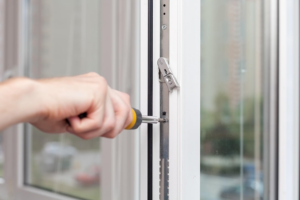
Q5: Is it worth calling a locksmith professional?A: If you're unable to troubleshoot the issue or if you feel uneasy attempting repairs, a locksmith professional can provide knowledge and conserve you from prospective damage to your locks.
Lock troubleshooting may appear complicated, however with the right knowledge, lots of typical issues can be solved with a bit of persistence and the right tools. Regular upkeep and preventive measures will go a long way in guaranteeing your locks operate efficiently and safely. Whether it's an easy essential replacement or a malfunctioning electronic lock, being equipped with fixing skills can save you both time and money in the long run.
- 이전글10 Misconceptions Your Boss Shares About Swiss Driving License 26.05.19
- 다음글5 Killer Quora Answers To Buy Genuine Driving License 26.05.19
댓글목록
등록된 댓글이 없습니다.