
How to Choose Between Wet and Dry Pipe Sprinkler Systems
페이지 정보

본문
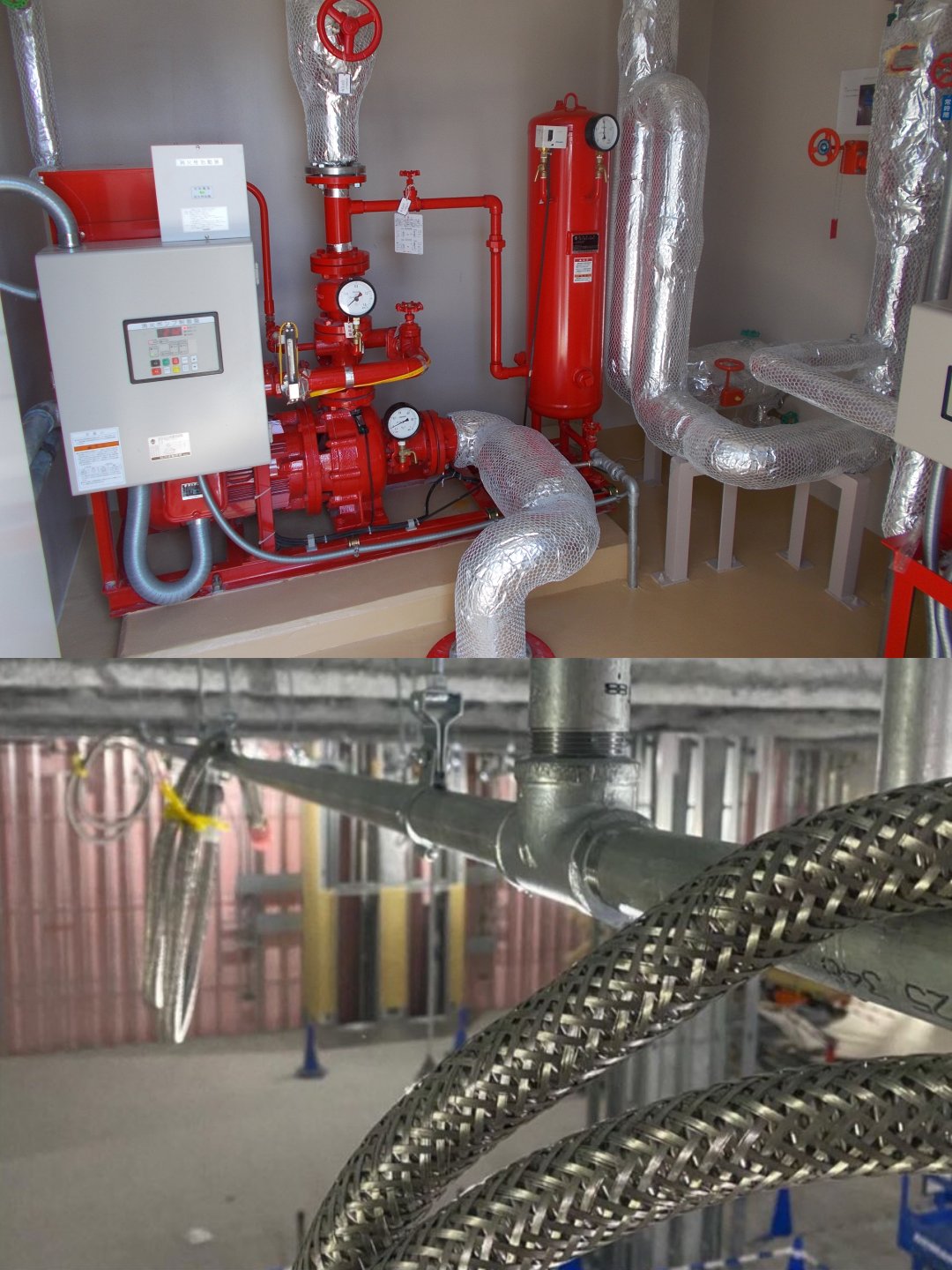
When deciding between a wet and dry pipe sprinkler system, the most important factor is the specific conditions of the building’s interior spaces. Wet pipe systems are the standard choice for most applications. They are always filled with water and ready to activate immediately when a fire is detected. This makes them exceptionally dependable with rapid response times. They are ideal for structures maintained at stable, warm indoor 沖縄 消防設備 temperatures, such as commercial facilities, residential units, and shopping centers.
Dry pipe systems, on the other hand, are filled with pressurized air or nitrogen instead of water. When a sprinkler head activates, the pressure drop triggers water to rush into the piping system and discharge through the opened nozzle. This design protects against ice formation in low-temperature areas, making dry systems suitable for large storage buildings, vehicle depots, freezer rooms, and outdoor installations in northern regions. However, because there is a lag in water discharge after detection, dry systems are marginally delayed compared to wet alternatives.
Another consideration is system servicing. Wet pipe systems require infrequent inspections thanks to their straightforward construction. Dry pipe systems need more frequent inspections to ensure the air pressure is correct and to check for corrosion or moisture buildup inside the pipes. These additional checks can increase long-term costs and complexity.
Cost is also a factor. Wet pipe systems are lower in initial investment with streamlined installation requirements. Dry pipe systems involve advanced control mechanisms, air supply units, and sensor arrays, which significantly increases setup costs.
If your building is maintained at stable indoor temperatures with no freeze exposure, a wet pipe system is typically the best choice due to its simplicity, speed, and lower cost. If your building is located in cold zones with potential for pipe icing, then a dry pipe system is necessary for protection. In some cases, a hybrid preaction solution offers a balanced approach combining the safety of dry systems with the speed of wet systems, especially in locations containing irreplaceable assets or hazardous contents.
Always consult with a qualified fire system specialist to assess your building’s unique parameters such as use type, thermal insulation, regulatory requirements, and hazard levels. Making the right choice ensures both safety and compliance while avoiding costly repairs or system failures in an emergency.
- 이전글청도애인대행==카카오톡{{wage05}}청도모텔만남==청도티켓다방 찾으시나요?청도커/피배달 맛사지포함==청도티켓아가씨 26.04.05
- 다음글Stage-By-Stage Guidelines To Help You Attain Internet Marketing Good results 26.04.05
댓글목록
등록된 댓글이 없습니다.